Choosing a POS hardware manufacturer starts with defining what your project needs to change. A distributor adding its brand to an existing terminal has a different requirement from a company developing a new housing. Before comparing quotations, confirm the customization scope, sample approval process, production configuration, and documents required for the target market.
For HBAPOS projects, OEM customization uses an existing product exterior, with agreed changes to branding, color, hardware configuration, packaging, or other supported options. ODM work can include a new appearance, housing, and mechanical structure. The buyer should establish which route applies before approving artwork or committing to development.
Decide Whether Your Project Needs OEM or ODM

OEM and ODM labels are used differently across suppliers. Ask the POS hardware manufacturer to describe the actual deliverables rather than relying on the service name alone. At HBAPOS, the practical distinction is whether the project uses an existing exterior or requires development of a new design.
An existing enclosure does not make every requested screen, motherboard, interface, or peripheral combination available. Both routes require a feasibility review against the selected product and intended software. The agreed quotation should distinguish confirmed options from items still being evaluated.
Prepare a Customization Brief Before Comparing Suppliers
A useful brief connects each requested change to a buyer requirement. A brand logo needs an approved position and artwork file; a different interface needs a defined device and connection; a custom carton needs artwork and packing details. This gives suppliers a consistent basis for quotation.
HBAPOS customization discussions can cover the following areas, subject to model and project confirmation:
- Branding and color: front or rear logo, boot logo where supported, labels, packaging logos, and the required housing color.
- Displays: main-screen size, touch, resolution, brightness, and any model-supported customer display and mounting arrangement.
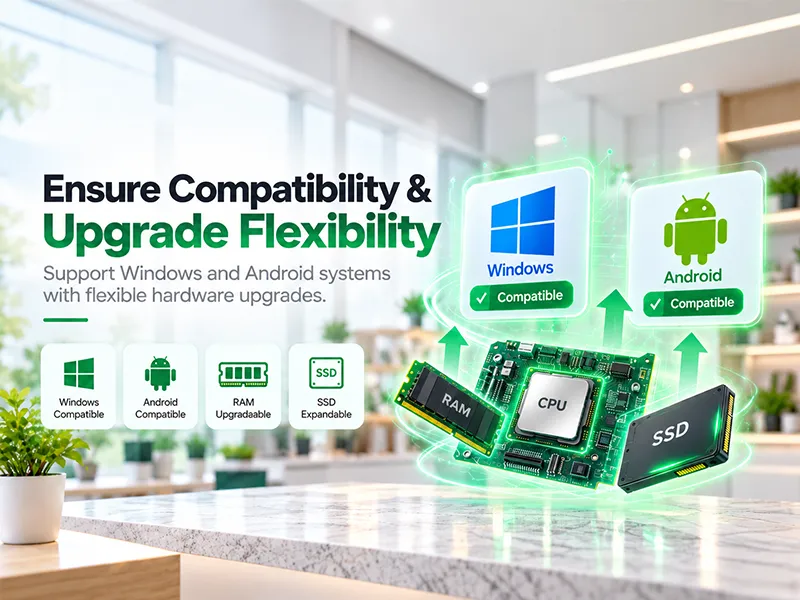
- Computing and software environment: CPU, RAM, SSD, operating system, or hardware supplied without a preloaded software image.
- Connections and devices: required ports, wireless or other modules, receipt printer, scanner, and built-in or external arrangements.
- Delivery contents: neutral or branded packaging, carton labels, manuals, accessories, destination plug, and power-adapter requirements.
- Verification: target-market documents, sample quantity, test responsibilities, feedback, and any revision plan.
Specify the exact interface required rather than asking for more ports. Likewise, identify the operating system and software requirements instead of assuming every board can run the same image. Hardware customization does not establish compatibility with an application or include a software licence unless agreed.
Use Logo Mockups to Confirm the Intended Appearance
For branding discussions, HBAPOS can prepare an indicative visual combining the customer's logo with the machine. It helps the buyer review the intended placement and appearance before proceeding with the sample order.
Provide usable logo artwork and identify the intended locations. Confirm logo dimensions, color references, and the proposed application method in writing. The mockup is a visual reference; the physical sample is needed to assess the actual finish, scale, and placement on the product.
Keep the approved artwork identifiable by a revision or date. If the buyer changes the logo after reviewing the sample, record the revision and agree whether another physical confirmation is needed before production.
Define the ODM Development Scope and Tooling Terms
HBAPOS can develop a new product appearance, housing, and mechanical structure according to customer requirements. ODM projects involve appearance-design and tooling charges paid by the customer. Development costs, purchasing conditions, and the expected annual purchasing volume are discussed for the individual project rather than published as a universal package.
For a new housing, provide the intended use, installation space, screen arrangement, material and finish preferences, cable access, and maintenance needs. Ask the manufacturer to explain how the proposed structure accommodates the selected electronics and peripherals. Agree on the design documents and approval stages before moving into tooling.
Higher purchasing volumes generally spread design and tooling expenditure over more units, reducing the allocated development cost per unit. The enclosure price also depends on material, process, production batch size, and other manufacturing conditions. A volume forecast is useful for evaluation, but it is not a guarantee of a particular unit price.
The project agreement should address tooling ownership, permitted use, storage, maintenance, and any exclusivity requirements. Do not infer those terms solely from who pays the tooling charge. Confirm them alongside the design deliverables and arrangements for later changes.
Use Existing Models to Discuss OEM Requirements
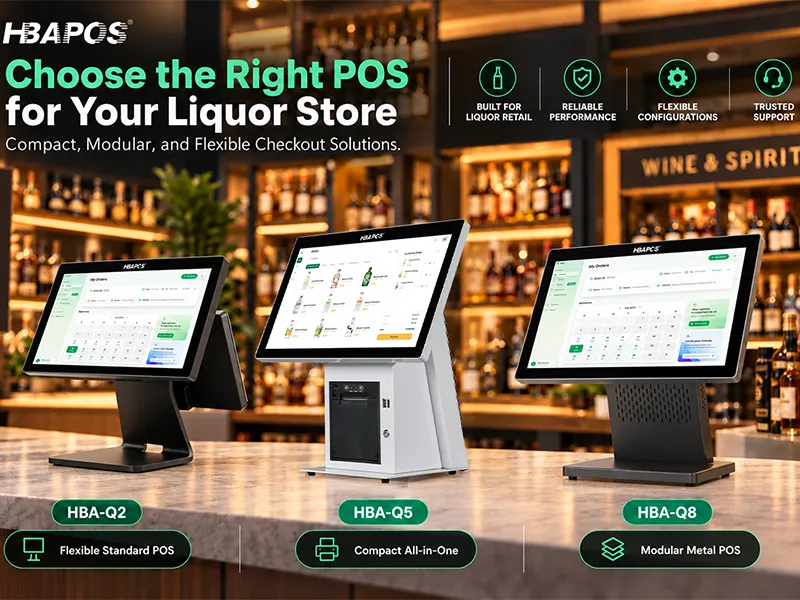
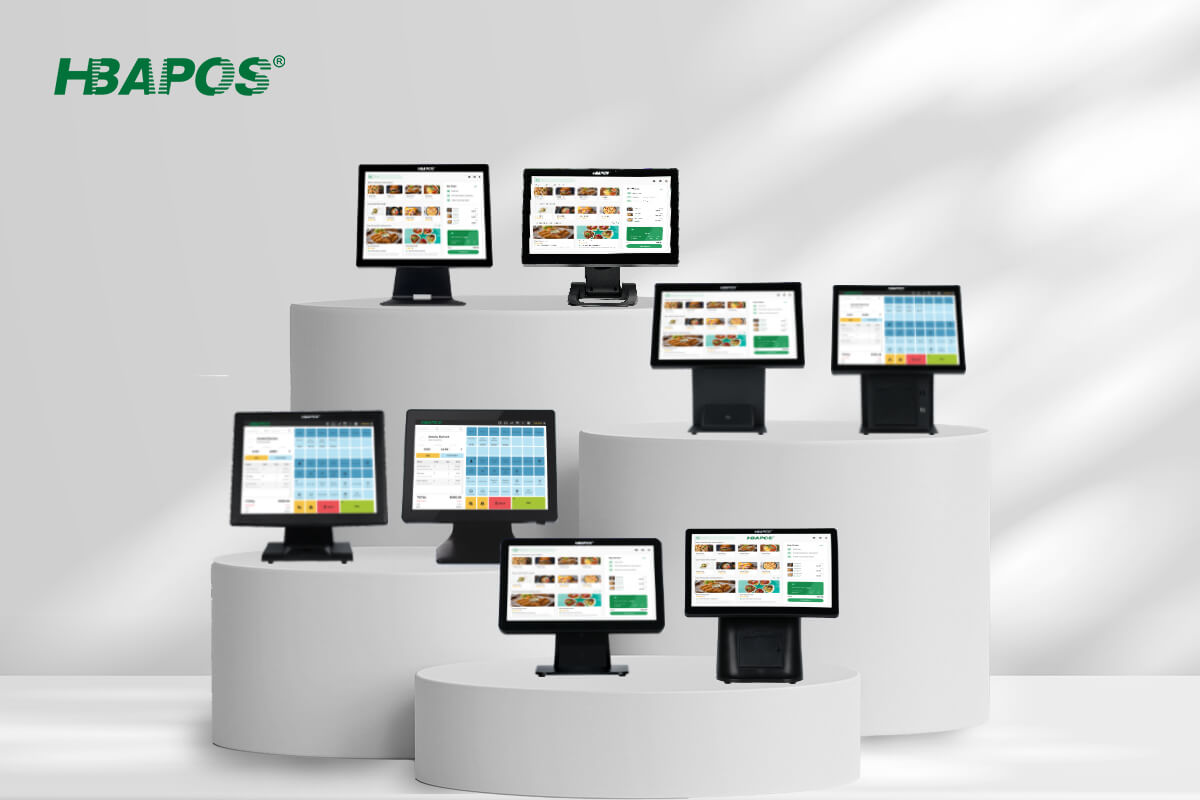
HBA-Q2, HBA-GM100, and HBA-Q8 offer examples of existing designs that buyers can use when discussing OEM requirements. They illustrate different physical starting points rather than a universal list of customization options.
Review the
HBA-Q2,
HBA-GM100, and
HBA-Q8 product designs, then ask which requested changes are available on the selected version. A logo mockup on an existing machine is an OEM illustration; it should not be presented as evidence of a completed customer ODM project.
Approve the Sample Before Confirming a Bulk Order
Customers usually place a sample order first, receive the sample, and test it before deciding on a larger order. For a customized product, agree on what the sample represents: the proposed configuration, branding, physical design, packaging, or a defined combination of those items.
Use the sample review to confirm the requirements that matter for the order:
- The exterior, logo positions, finish, screen arrangement, and installation fit.
- The motherboard, CPU, RAM, SSD, operating system, ports, and selected modules.
- Operation with the customer's application and required peripherals.
- Supplied accessories, plug, labels, packaging, and any requested documents.
Record the buyer's feedback and identify what must change before batch production. If the sample is not the final configuration, document the remaining differences and how they will be confirmed. Customization and development schedules should be agreed for the project; a standard sample schedule should not be assumed to cover new tooling or structural development.
Keep Bulk Production Aligned With the Approved Sample
HBAPOS uses the customer's tested and approved sample configuration as the basis for the bulk order. If a motherboard or another major component needs to change, the proposed substitution is discussed with the customer before proceeding.
The purchasing record should identify the approved hardware specification, artwork revision, finish, accessories, packaging, and accepted changes. Ask the manufacturer to explain its inspection process and what shipment records can be provided. A buyer can request photos or other evidence of agreed checks, but the scope and format should be confirmed rather than presumed.
For repeat orders, reconfirm the approved configuration and flag any requested differences. A replacement component that appears similar may affect drivers, mounting, connections, or software behavior. Agree on the checks needed for the proposed change before approving it.
Review Product Documents Separately From Factory Certification
HBAPOS can provide CE, FCC, and RoHS-related documentation for its product models, along with the factory's ISO 9001 quality management system certificate. Request the documents relevant to the intended model and destination during supplier evaluation.
ISO 9001 concerns the organization's quality management system, as explained in
ISO's quality management overview. Review the named organization, site, certificate scope, and validity. A factory certificate does not by itself establish product conformity.
For product documents, check the model identification, configuration covered, named parties, and supporting reports or declarations. The European Commission's
CE marking guidance for manufacturers describes the role of technical documentation and the EU declaration of conformity. A logo or a document cover alone is insufficient for evaluating its coverage.
If an ODM design or a component change affects the product, ask whether existing documentation covers the final version or further assessment is needed. Do not assume an existing model's documents automatically cover a new housing or a changed electronic configuration. Confirm destination-specific requirements before shipment.
Send the Same Project Information to Each Manufacturer
Compare quotations against a shared project brief so that differences in scope remain visible. Ask suppliers to identify exclusions and alternatives instead of comparing only the headline unit price.
- State whether the request is OEM on an existing model or ODM requiring a new design.
- Supply the logo artwork, appearance requirements, software specification, and required hardware and interfaces.
- Define the sample scope, feedback process, and approval requirements for the batch configuration.
- Describe the destination, initial order plan, expected annual purchasing volume, packaging, accessories, and document needs.
- Ask for the proposed schedule and the project terms for development, tooling, repeat orders, changes, service, and replacement parts.
Assess the manufacturer's response against the brief. Clear confirmation of feasible options, unresolved items, and sample acceptance is more useful than a general statement that everything can be customized.
Frequently Asked Questions
Can I Add My Brand Without Developing a New Housing
Yes. HBAPOS OEM projects use an existing exterior and can include supported logo, color, hardware, and packaging changes. Confirm the exact scope on the selected model before placing the sample order.
Does ODM Development Require Separate Charges
Yes. New appearance and housing development can involve design and tooling charges. The purchasing conditions and development scope are evaluated for the project. Specific amounts and quantity requirements are confirmed privately.
Does Paying for a Mold Automatically Give Exclusive Rights
Do not assume that payment alone defines ownership or exclusivity. Agree on tooling ownership, usage, storage, and any exclusive supply terms in the project agreement before development proceeds.
Can Bulk Hardware Differ From the Tested Sample
The approved sample configuration is the basis for the bulk order. Proposed changes to a motherboard or other major components should be discussed with the buyer and approved before proceeding, with further checks where needed.
Conclusion
Select a POS hardware manufacturer by confirming the actual OEM or ODM scope, reviewing a representative sample, and documenting what will be supplied. Match product documents to the final configuration and keep changes visible through repeat orders. To discuss a project, send
HBAPOS your preferred model or design brief, branding requirements, hardware specification, destination, and purchasing plan.